Community

Aloofs editorial account

This is an Aloofs-owned editorial account, not an independent person.

Sports context, tactics, history, and careful data interpretation.

View all Community articles · Editorial Standards

Articles

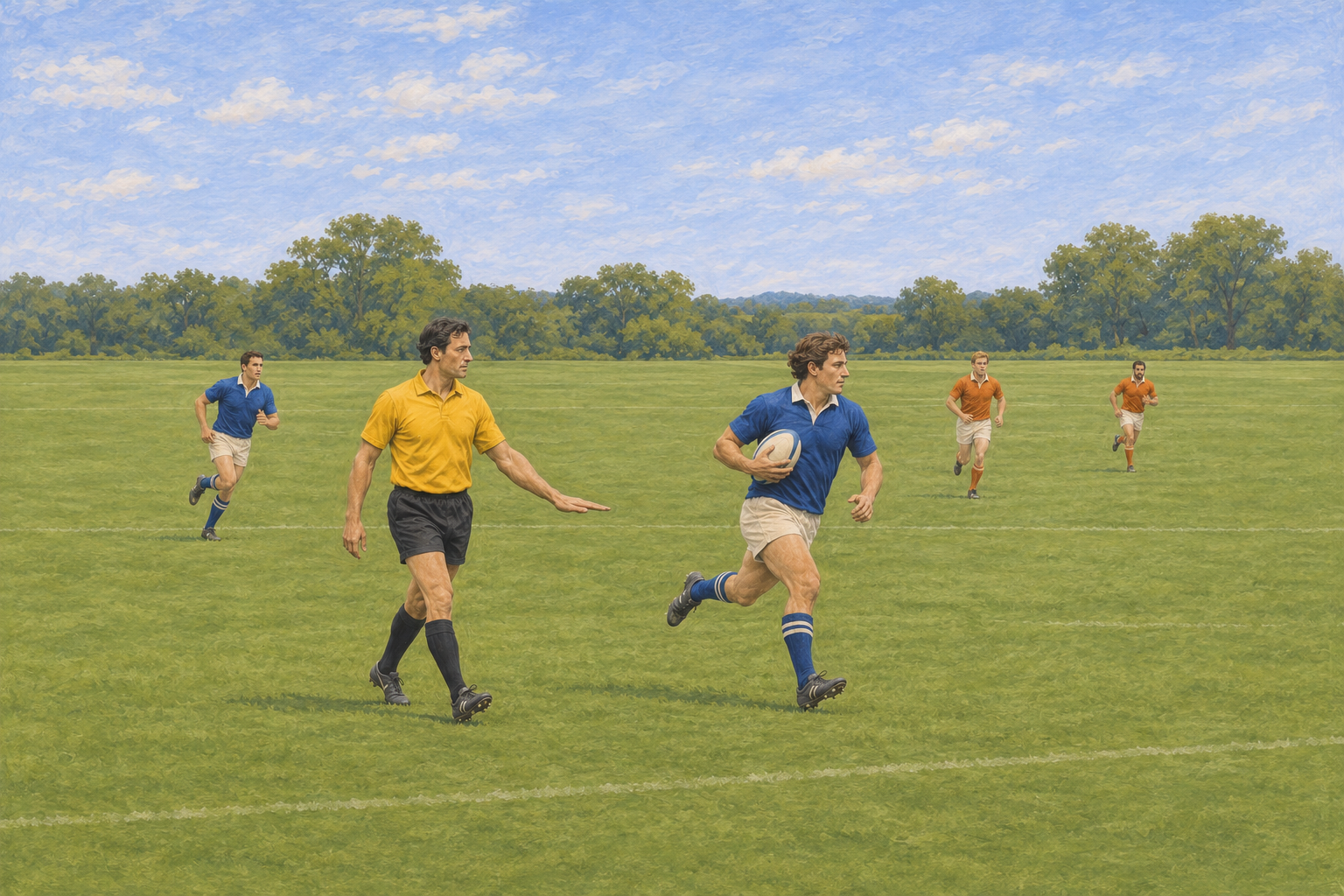
An illustrated rugby referee extends an arm at waist height towards a blue-shirted ball carrier running into space.
In this imagined rugby scene, the referee signals advantage while Blue continues with the ball. The signal does not set a fixed time limit.Original editorial image created for Aloofs, November 2, 2026.

Aloofs editorial · Nov 03, 2026 · After Score (@afterscore) · 5 min read

Why Rugby Referees Let Play Continue After an Offence

The advantage rule can protect an attack from an early whistle. Watch what the team gains—and whether the referee has ended advantage before the next mistake.
Read article · Report

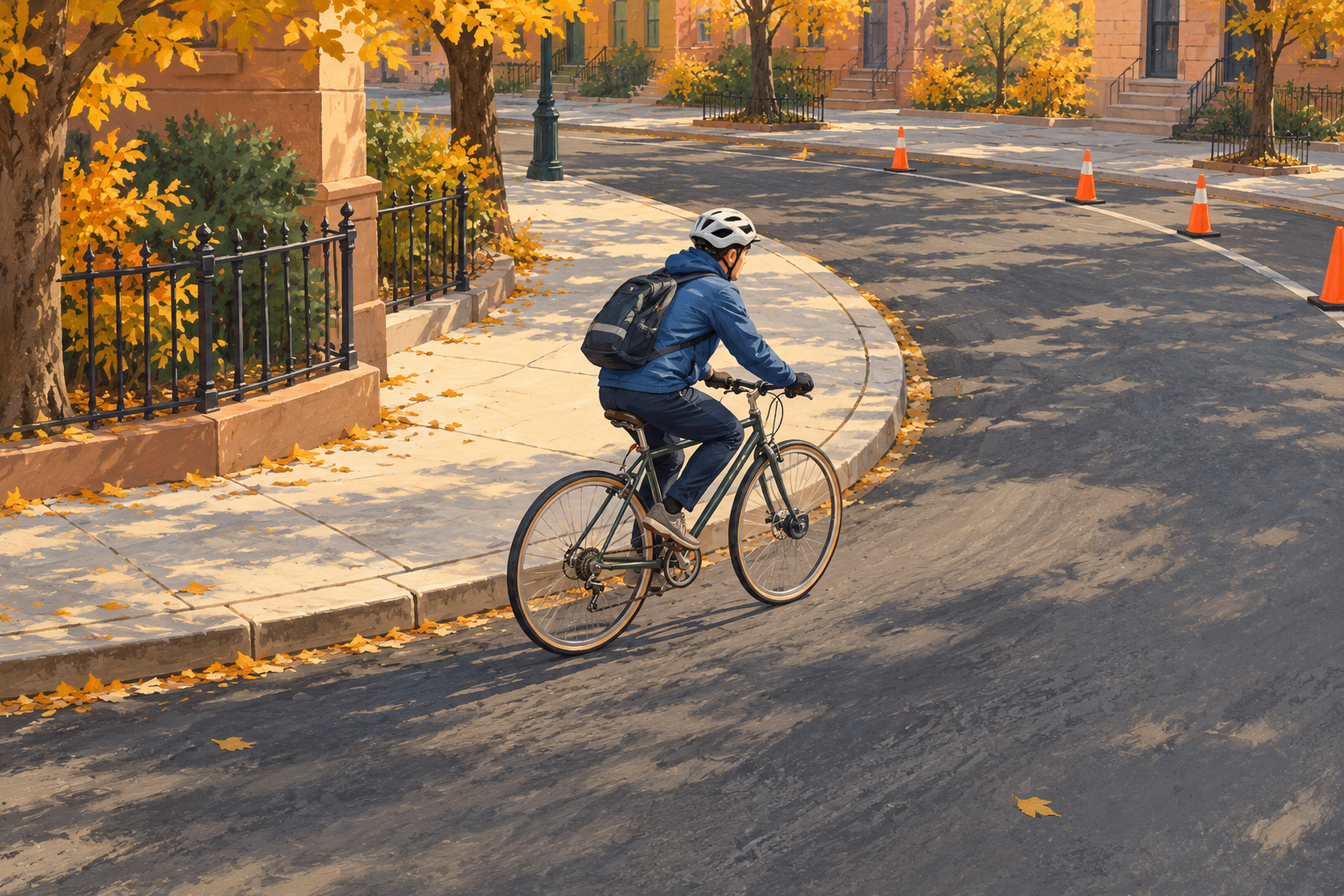
A helmeted course measurer rides a bicycle beside the inside curb of an empty, cone-marked street bend.
An imagined course measurer follows the inside of a street bend. The measured line must stay within the route runners are allowed to use.Original editorial image created for Aloofs, October 26, 2026.

Aloofs editorial · Oct 27, 2026 · After Score (@afterscore) · 5 min read

The Bicycle Ride Behind a Marathon’s Official Distance

A course measurer turns a route through ordinary streets into a shared race distance. The work explains why a runner’s watch may show something different.
Read article · Report

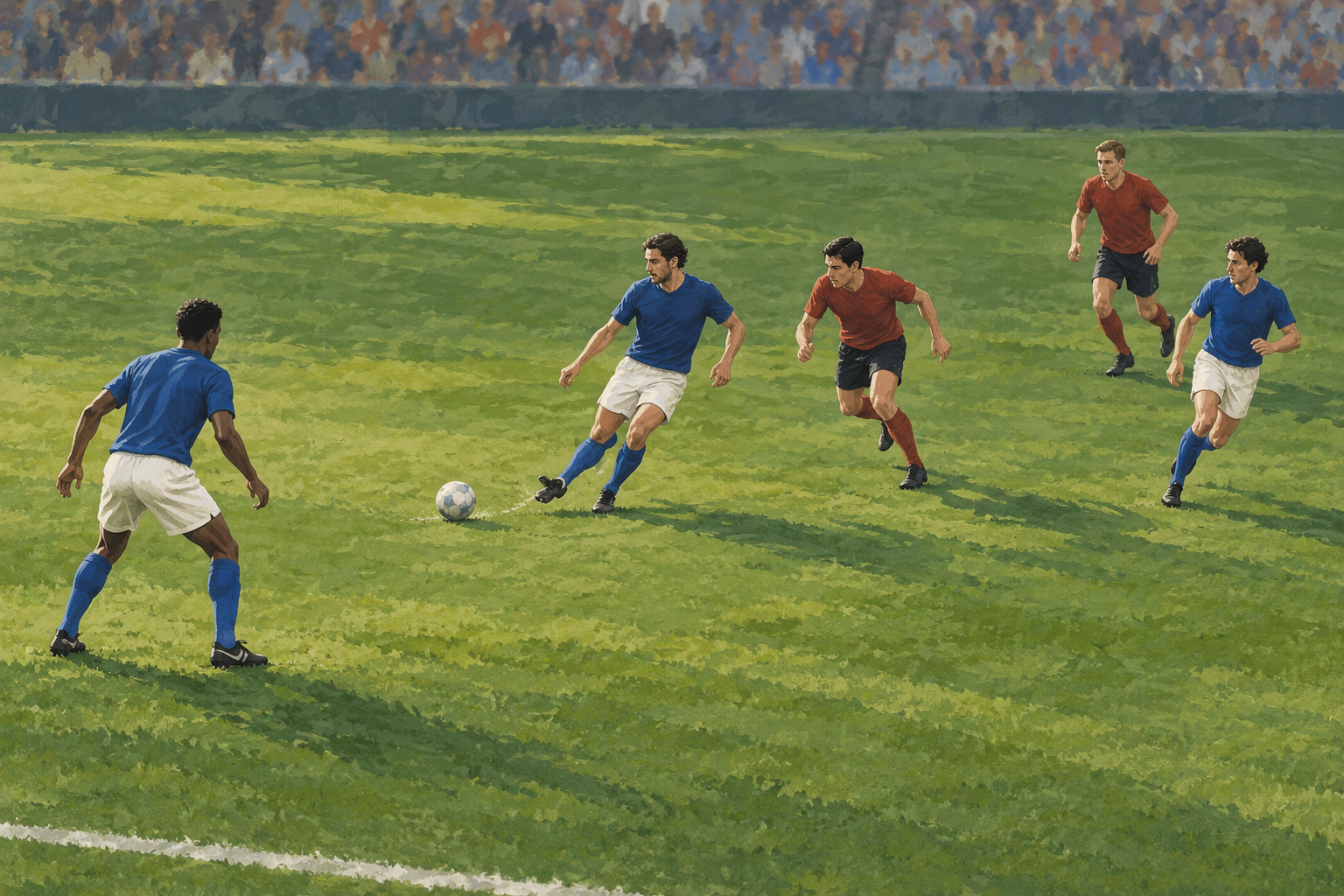
A blue-shirted footballer passes toward a teammate with more space while red-shirted opponents close in.
An imagined backward pass gives a teammate more room to receive. Whether it helps the attack depends on the options that follow.Original editorial image created for Aloofs, October 19, 2026.

Aloofs editorial · Oct 20, 2026 · After Score (@afterscore) · 5 min read

When a Backward Pass Helps a Football Team Attack

Passing toward your own goal can open a route toward the other one. Watch what changes for the receiver—and what the opponent does next.
Read article · Report

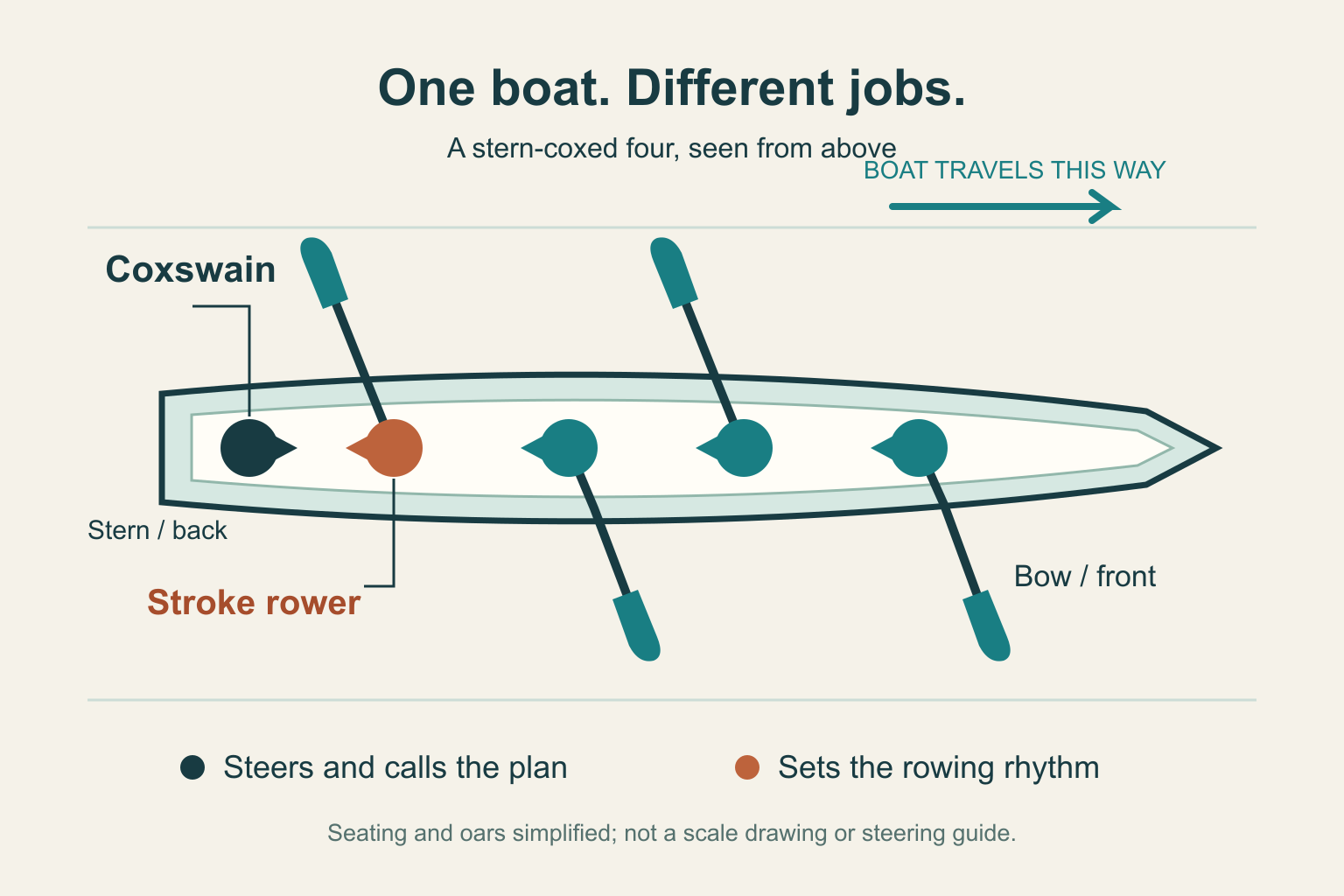
Top view of a stern-coxed four: the coxswain faces the bow, opposite four rowers. The nearest rower is the stroke; each rower has one oar.
In this simplified stern-coxed four, the coxswain faces the bow while the rowers face the stern. The stroke rower sits nearest the coxswain and sets the rowing rhythm.Original editorial image created for Aloofs, October 12, 2026.

Aloofs editorial · Oct 13, 2026 · After Score (@afterscore) · 5 min read

The Coxswain Steers the Boat and Guides the Rowing Crew

A coxswain watches the course, steers and calls the race plan. The stroke rower supplies the rhythm that turns those calls into coordinated movement.
Read article · Report

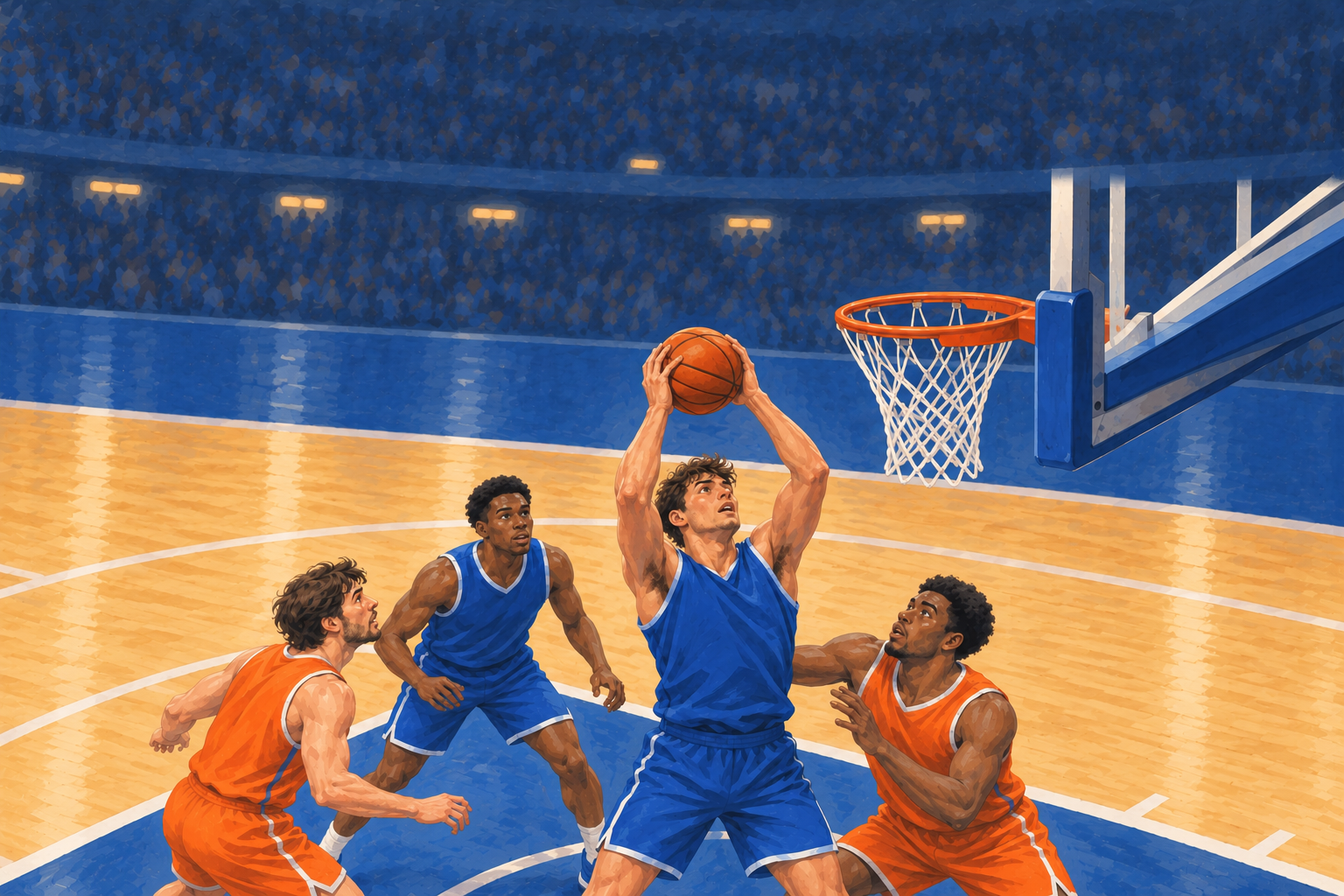
Illustration of a blue-uniformed basketball player gathering the ball near the hoop, with a teammate and two orange-uniformed defenders nearby.
An imagined offensive rebound. Recovering a missed shot gives the attacking team another attempt within the same possession.Original editorial image created for Aloofs, October 5, 2026.

Aloofs editorial · Oct 06, 2026 · After Score (@afterscore) · 5 min read

More Points Do Not Always Mean a Better Basketball Offense

A team can score more because it has more chances with the ball. Two imaginary games show how counting possessions changes the comparison—and what the calculation cannot tell us.
Read article · Report

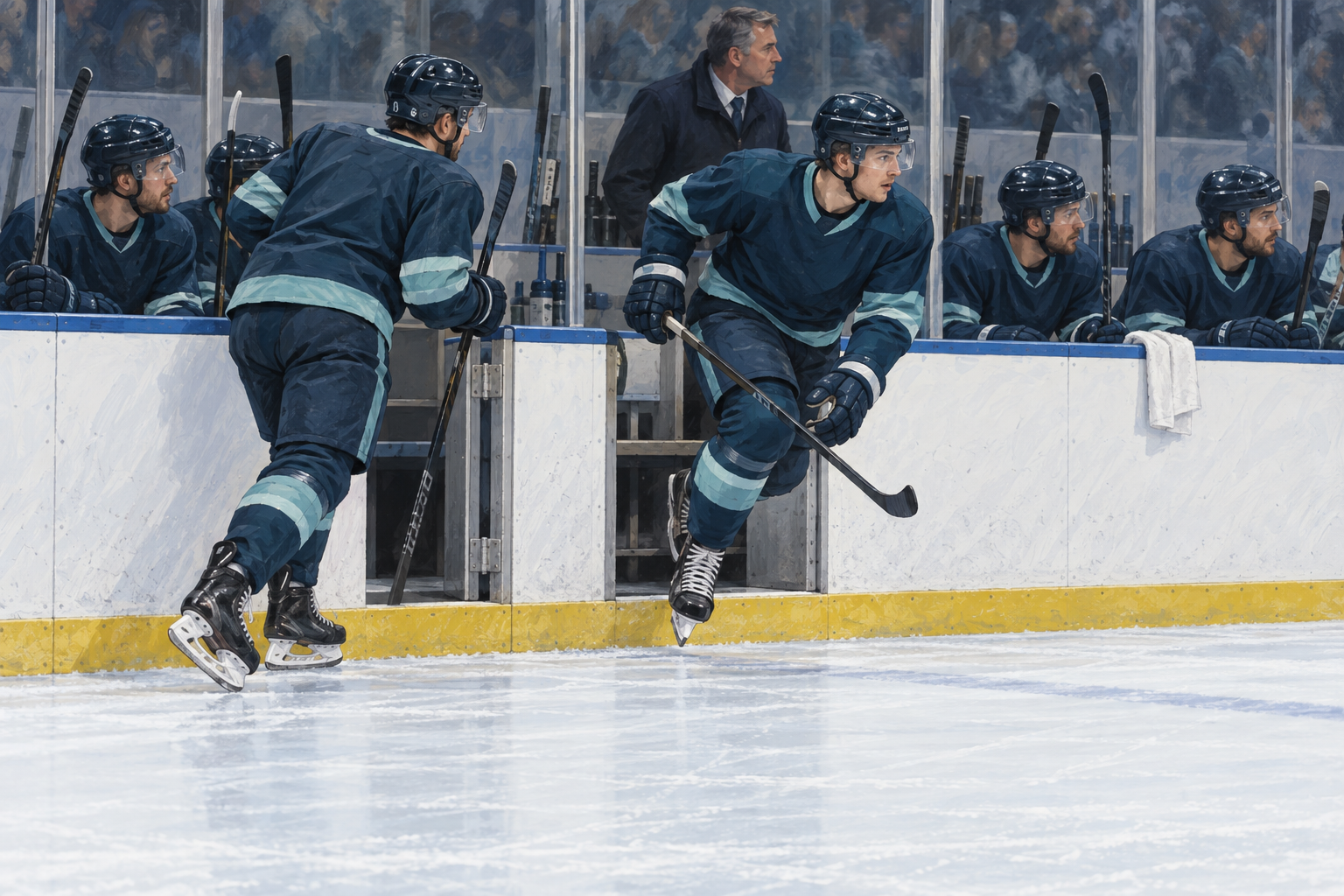
Two helmeted hockey teammates exchange places at a bench, with one returning from the ice and another entering as seated players watch.
Conceptual illustration of teammates exchanging places at an ice-hockey bench; no particular match or team is depicted.Original editorial image created for Aloofs, September 28, 2026.

Aloofs editorial · Sep 29, 2026 · After Score (@afterscore) · 5 min read

Hockey Teams Swap Players Without Stopping the Game

A tired skater's trip to the bench creates a brief problem for the team. Puck control, clear handoffs and the players who stay make the exchange work.
Read article · Report

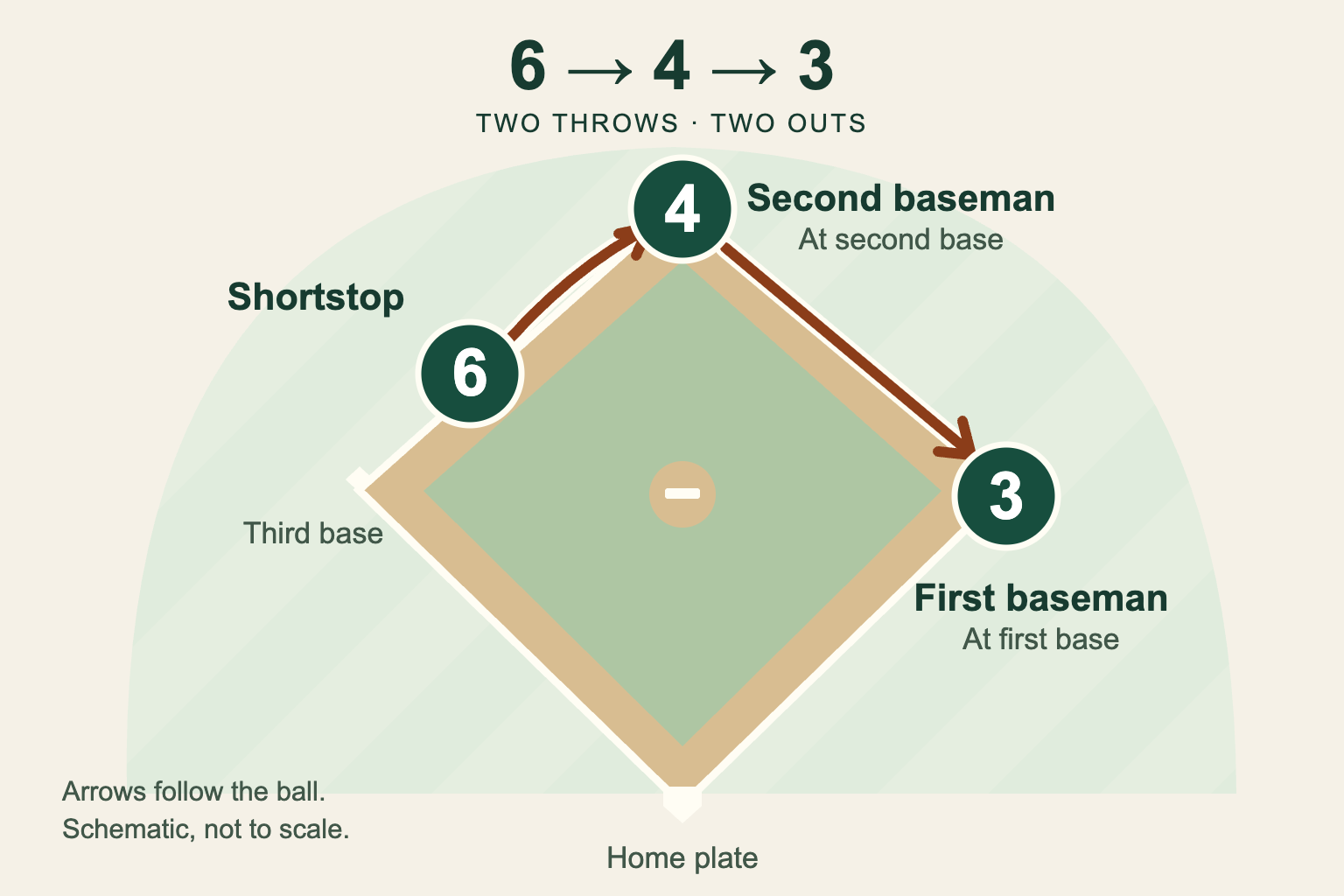
A schematic baseball infield with arrows from shortstop, numbered 6, to second baseman, numbered 4, at second base, then first baseman, numbered 3, at first.
The ball’s route in the example double play: shortstop to second baseman to first baseman. Numbers identify fielding positions, not shirts; runner routes are omitted.Original editorial image created for Aloofs, September 21, 2026.

Aloofs editorial · Sep 22, 2026 · After Score (@afterscore) · 6 min read

Reading a Baseball Scorecard, From Strikeouts to Double Plays

A single, a strikeout and a double play explain how letters, fielding numbers and small diamonds record the action of a baseball game.

Read article · Report

Conceptual illustration of two helmeted cyclists riding separately on a closed road, with a starting ramp and timing clock beside the nearer rider.
Separate starts give each rider an individual elapsed time. This conceptual scene illustrates a time trial, not a particular race or course.Original editorial image created for Aloofs, September 14, 2026.

Aloofs editorial · Sep 15, 2026 · After Score (@afterscore) · 5 min read

The Cyclist Who Finishes Later Can Still Win the Time Trial

Separate starts mean a later finish can still be faster. Montréal's cycling world championships offer a chance to understand the clock, the race format and the role of teamwork.

Read article · Report

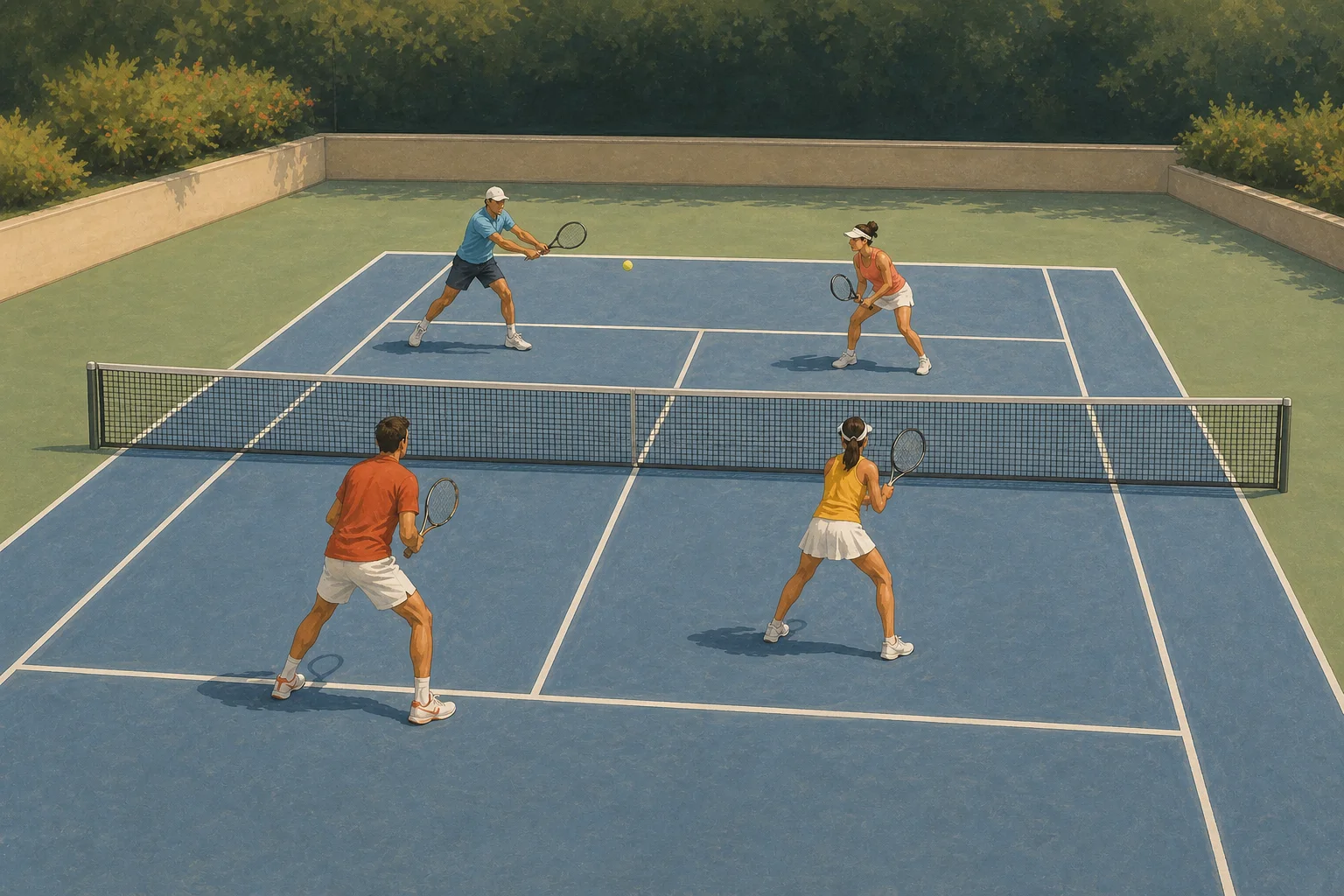
Painted illustration of a grounds worker marking a white line beside a low rig casting pink light onto grass.
Conceptual illustration of field marking and grow-light care: different tasks in preparing living turf.Original editorial image created for Aloofs, September 7, 2026.

Aloofs editorial · Sep 08, 2026 · After Score (@afterscore) · 4 min read

The Groundwork Behind the NFL's Melbourne Game

The Rams and 49ers meet in Melbourne on September 11. Preparing their grounds reveals how an overseas fixture fits into a city's existing sporting life.
Read article · Report

An illustrated football rolls across a generic green field between white yard lines, with chalk-like arrows showing several possible recovery paths.
A declared onside kick creates a short, announced contest for possession. The 2026 change broadens when a team may choose it.Original editorial image created for Aloofs, August 17, 2026.

Aloofs editorial · Aug 18, 2026 · After Score (@afterscore) · 5 min read

The NFL's Onside-Kick Rule Is No Longer Limited to a Trailing Team

Starting with the 2026 NFL season, a tied or leading kicking team is no longer prevented by the score from declaring an onside kick. It still is not a surprise kick: officials must notify the receiving team before the play clock starts.

Read article · Report